AI, Product design, Process
AI in the Product Design Process: Where It Helps and Where It Doesn't
AI is a powerful new tool in the designer's backpack. Like every tool, it's only useful if you know when to take it out.
I've written before about choosing the right tools and about finding your own method. AI is the biggest new tool in a generation, so the same rule applies: it should serve the method, not replace it.
Here's how I see AI fitting into each phase of the Journey to Success, the three-phase method I use with clients.
Phase 1 — Strategic Discovery
Discovery is about understanding the problem before solving it. AI helps with the volume:
- Synthesising research: summarising interview notes, support tickets or reviews into themes you then verify.
- Mapping the landscape: getting a first overview of competitors, terminology or regulations — as a starting point, never as the source of truth.
- Preparing better questions: drafting interview guides you refine with the team.
What AI can't do here is decide what matters. Priorities come from talking to people and understanding the business.
Phase 2 — Vision Alignment
Alignment is where ideas become a plan. AI lowers the cost of exploring:
- Faster concepts: more directions in less time, so stakeholders react to something concrete.
- Quick prototypes: clickable flows or copy variations to test earlier.
- Cheaper approvals: on The One Burger, I used AI-generated content to save costs while the client approved concepts — real photography and final visuals came later.
The risk is falling in love with a fast output. A prototype made in an hour still needs to be validated with real users.
Phase 3 — Impact Execution
Execution needs precision. AI is useful for the repetitive parts:
- Variations and edge cases: generating content variants, empty states and long-text scenarios to stress-test a design system.
- Quality checks: reviewing copy consistency or accessibility issues as a first pass.
- Hand-off support: drafting documentation that a designer then edits.
The final decisions on hierarchy, interaction and brand remain a matter of craft.
Where AI doesn't help (yet)
- Taste and brand judgement. AI averages; brands need a point of view.
- Stakeholder alignment. Trust between people is built in conversations.
- Knowing when to stop. Infinite variations are not a strategy.
Designing AI products is a different job
Using AI in your process is not the same as designing products with AI inside. That second job — deciding where AI earns its place for users and how to make it trustworthy — is what I do in AI product design and at Quince con Ochenta.
FAQ
Will AI replace product designers?
AI replaces some tasks, not the role. It speeds up drafting and exploration, but defining problems, setting priorities, aligning people and making taste-driven decisions are still human work.
Where does AI save the most time in product design?
In the divergent, high-volume parts: research synthesis, early concepts, content variations and first-pass quality checks.
Is it safe to use AI-generated content with clients?
It can be, if you're transparent and use it for what it's good at — for example, placeholder visuals to approve concepts faster — and replace it with final, owned assets before launch.
Keep reading
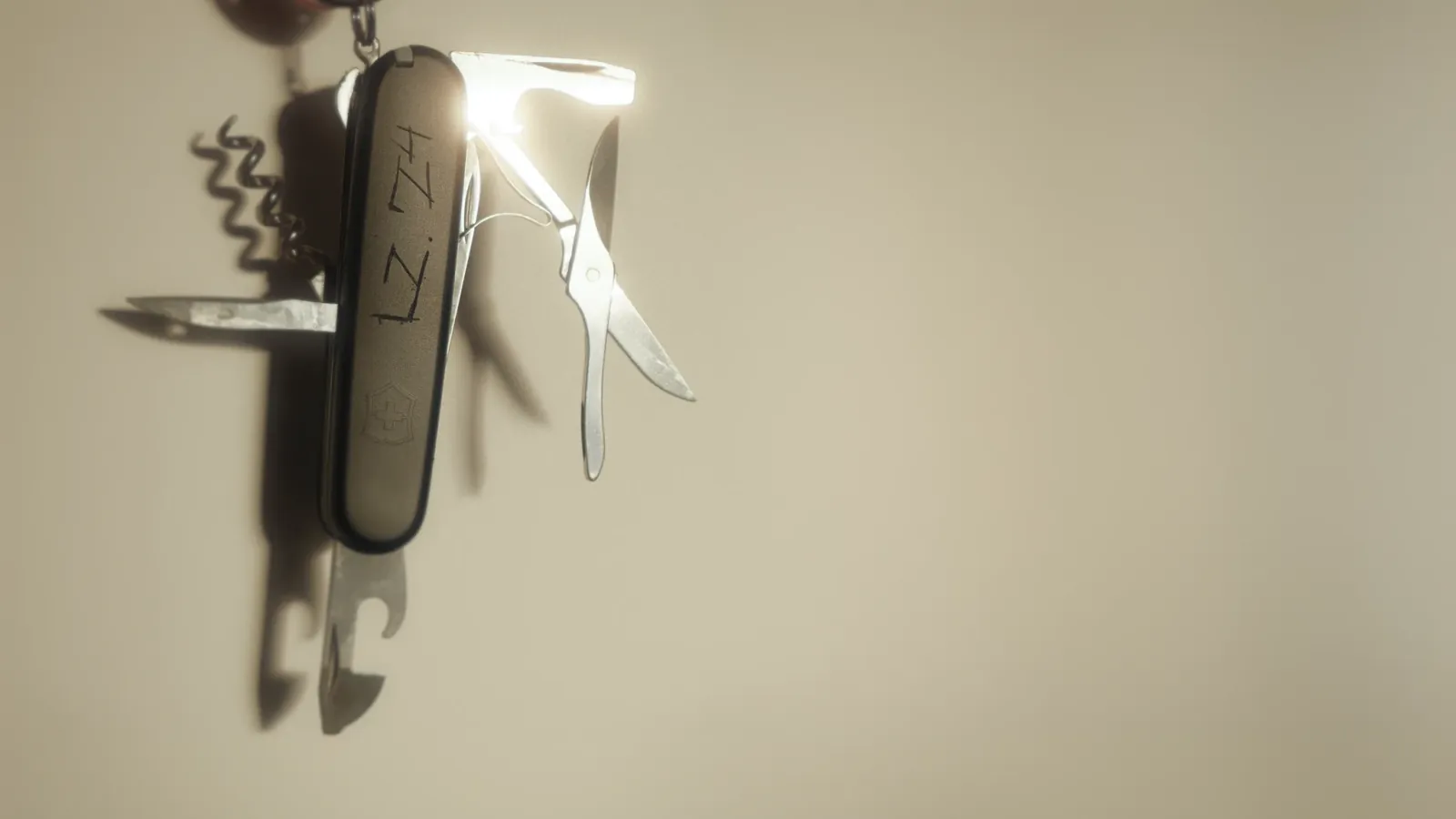
The Role of Product Design: A Digital Swiss Knife
What a product designer does, how it differs from industrial design, and how to choose the right designer for your team — by product designer Lander Zaro.
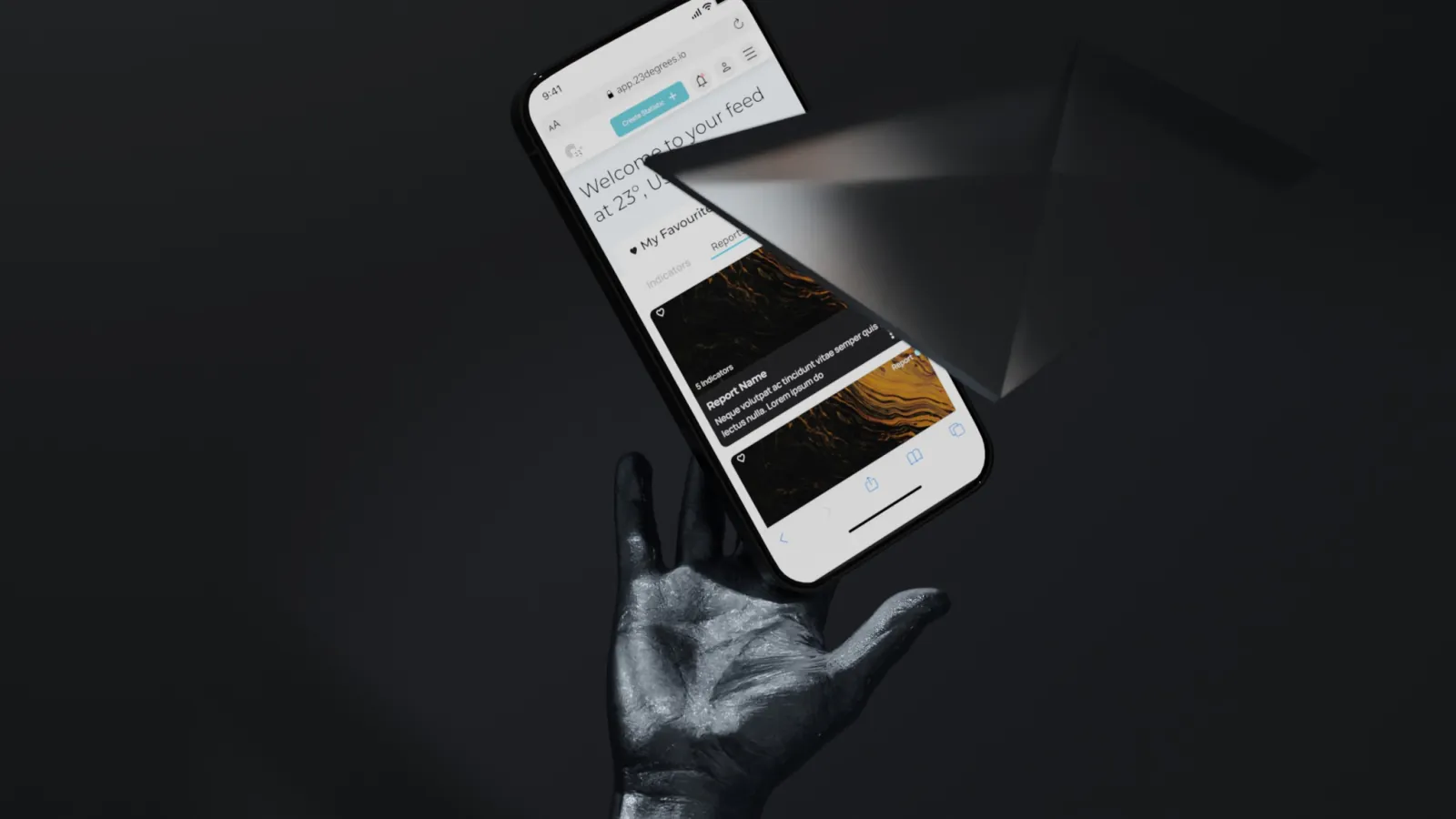
Design Systems That Scale: What 300+ Components Taught Me
How to build a design system that scales with your product: lessons from redesigning 23degrees (120+ screens, 300+ components) and GTAI's modular data platform.
Designing AI Features Users Trust: 7 UX Patterns
Seven UX patterns for AI features, assistants and agents people trust: explained outputs, visible confidence, human control and graceful fallbacks.